
blindness and vision loss: a complete guide to eye health
Blindness is a serious form of vision loss in which a person has little or no useful sight, and it can affect people of any age. Vision loss may develop gradually or occur suddenly, depending on its cause. Globally, at least 2.2 billion people live with near or distance vision impairment, and at least 1 billion of these cases could have been prevented or have not yet received appropriate care. The leading causes of vision impairment and blindness include uncorrected refractive errors, cataracts, diabetic retinopathy, glaucoma and age-related macular degeneration.
What causes blindness? Blindness can result from diseases affecting the eyes, damage to the retina or optic nerve, problems affecting the brain’s visual pathways, eye injuries, infections, genetic conditions and untreated health problems. Cataracts occur when the normally clear lens of the eye becomes cloudy and are a major cause of vision loss. Refractive errors such as short-sightedness, long-sightedness, astigmatism and presbyopia can cause blurred vision when they are not properly corrected. Glaucoma can damage the optic nerve and may cause permanent vision loss, while diabetes can damage blood vessels in the retina and lead to diabetic retinopathy. Age-related macular degeneration can affect central vision, particularly in older adults.
What are the symptoms of blindness and serious vision loss? Warning signs can include blurred or cloudy vision, difficulty reading, trouble recognizing faces, reduced peripheral vision, difficulty seeing at night, increasing sensitivity to light, distorted vision, loss of vision in one or both eyes, or sudden changes in eyesight. Some eye diseases may progress without obvious symptoms in their early stages, which is why regular eye examinations are important. Glaucoma, for example, can cause irreversible vision loss, but early detection and treatment can help protect remaining eyesight.
Can blindness be prevented? In many cases, vision impairment and blindness can be prevented, delayed or treated when eye problems are detected early. Regular eye examinations, appropriate prescription glasses, timely cataract treatment, proper management of diabetes and high blood pressure, protection against eye injuries and good control of conditions that can damage the eyes are important steps. Children can also benefit from spending more time outdoors and taking regular breaks from prolonged near-work activities, which may help delay the onset or progression of myopia. Protective eyewear is especially important during construction, welding, farming, certain sports and other activities where eye injuries are possible.
Can blindness be treated or reversed? The answer depends on the underlying cause. Vision loss caused by an uncorrected refractive error can often be corrected with eyeglasses, contact lenses or, in appropriate cases, refractive surgery. Cataract-related blindness can often be treated with cataract surgery. Other conditions, including glaucoma and diabetic retinopathy, may require medicines, laser procedures, surgery or long-term monitoring to prevent further damage. However, not every type of blindness can be reversed. When vision loss is permanent, vision rehabilitation, mobility training, Braille, counselling and assistive technologies can help people live more independently and safely.
Is blindness always complete loss of sight? No. Blindness and vision impairment exist on a spectrum. Some people have complete or near-complete loss of vision, while others may have low vision, tunnel vision, loss of peripheral vision, central vision loss or difficulty seeing in low light. Low vision can make everyday activities such as reading, driving, recognizing faces or using a computer difficult even when some sight remains.
When should you see an eye doctor? You should arrange an eye examination if you notice persistent blurred vision, worsening eyesight, difficulty seeing at night, unexplained changes in your visual field or problems performing normal activities because of your eyesight. Sudden loss of vision, sudden severe changes in eyesight, or vision loss following an eye or head injury should be treated as an urgent medical problem and assessed promptly. Early diagnosis is particularly important because some causes of blindness can be managed more effectively before permanent damage occurs.
The best way to protect your eyesight is to take vision changes seriously and seek professional eye care rather than waiting for symptoms to become severe. Regular eye checks can identify problems that may not yet be obvious, while early treatment can reduce the risk of irreversible vision loss. For people already living with blindness or low vision, rehabilitation and assistive technologies can support independence, mobility, education, employment and quality of life. Blindness may be life-changing, but appropriate medical care, prevention, rehabilitation and community support can make a significant difference.
Please Note: The information provided in this article is intended for general educational purposes and should not replace professional medical advice, diagnosis or treatment. If you have concerns about blindness, vision loss, changes in your eyesight or any symptoms affecting your vision, speak with a qualified eye-care professional or healthcare provider for proper assessment and clarification. Seek urgent medical attention for sudden or severe vision loss.
Call to Action
Concerned about blindness or vision loss? Talk to a qualified healthcare professional through Zuri Health and get convenient guidance on your symptoms and the next steps.
Chat with us on WhatsApp
Phone Number: +254 756 551 551
You can also use this WhatsApp link: Click here to chat
Share this post
Latest blog posts
Tool and strategies modern teams need to help their companies grow.
Zuri Health
•
06/22/2026
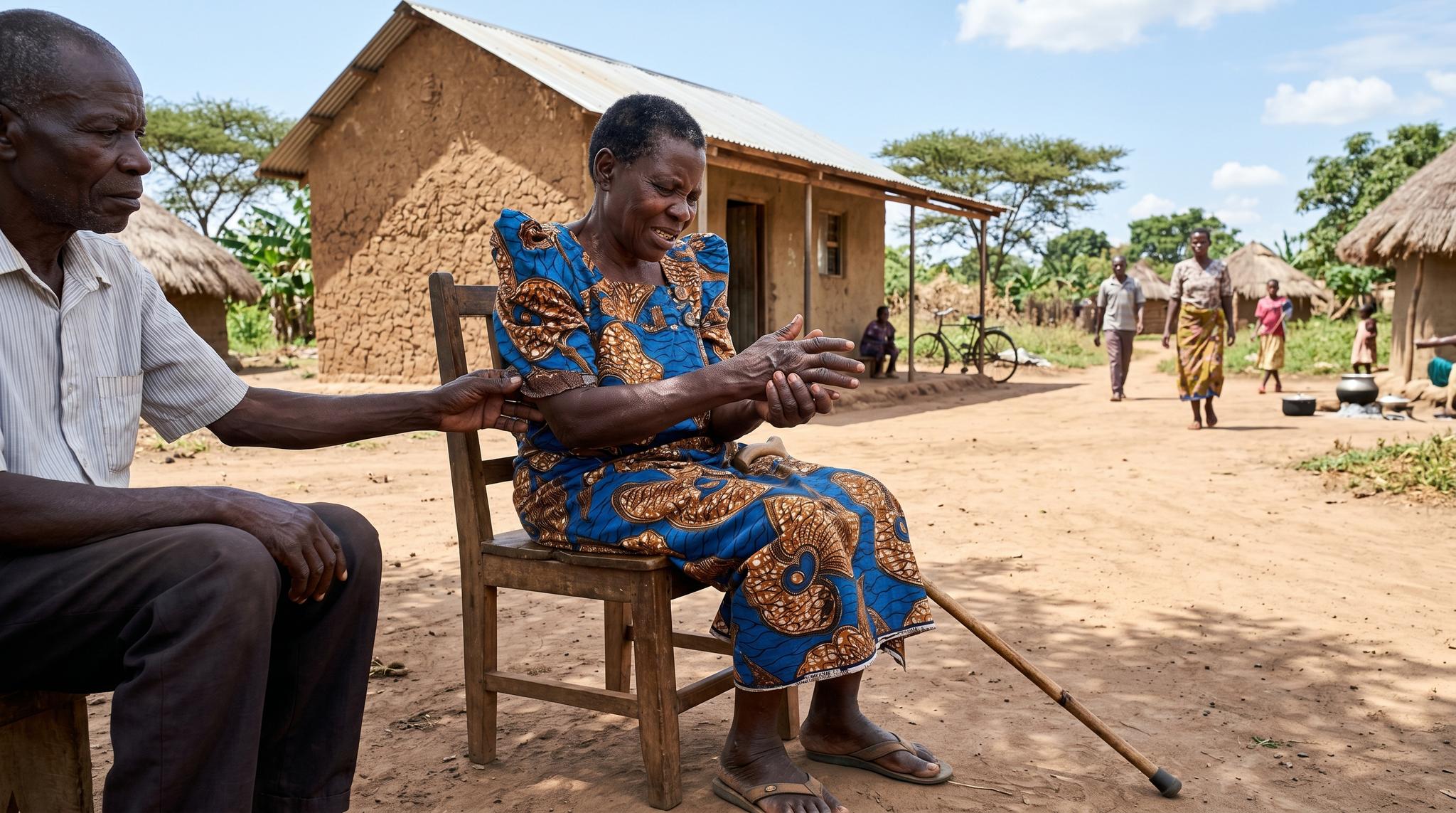
understanding arthritis: types, symptoms, causes and treatment
Arthritis is a chronic condition that affects the joints, causing pain, stiffness, swelling, and difficulty moving affected joints.
health

Zuri Health
•
06/15/2026
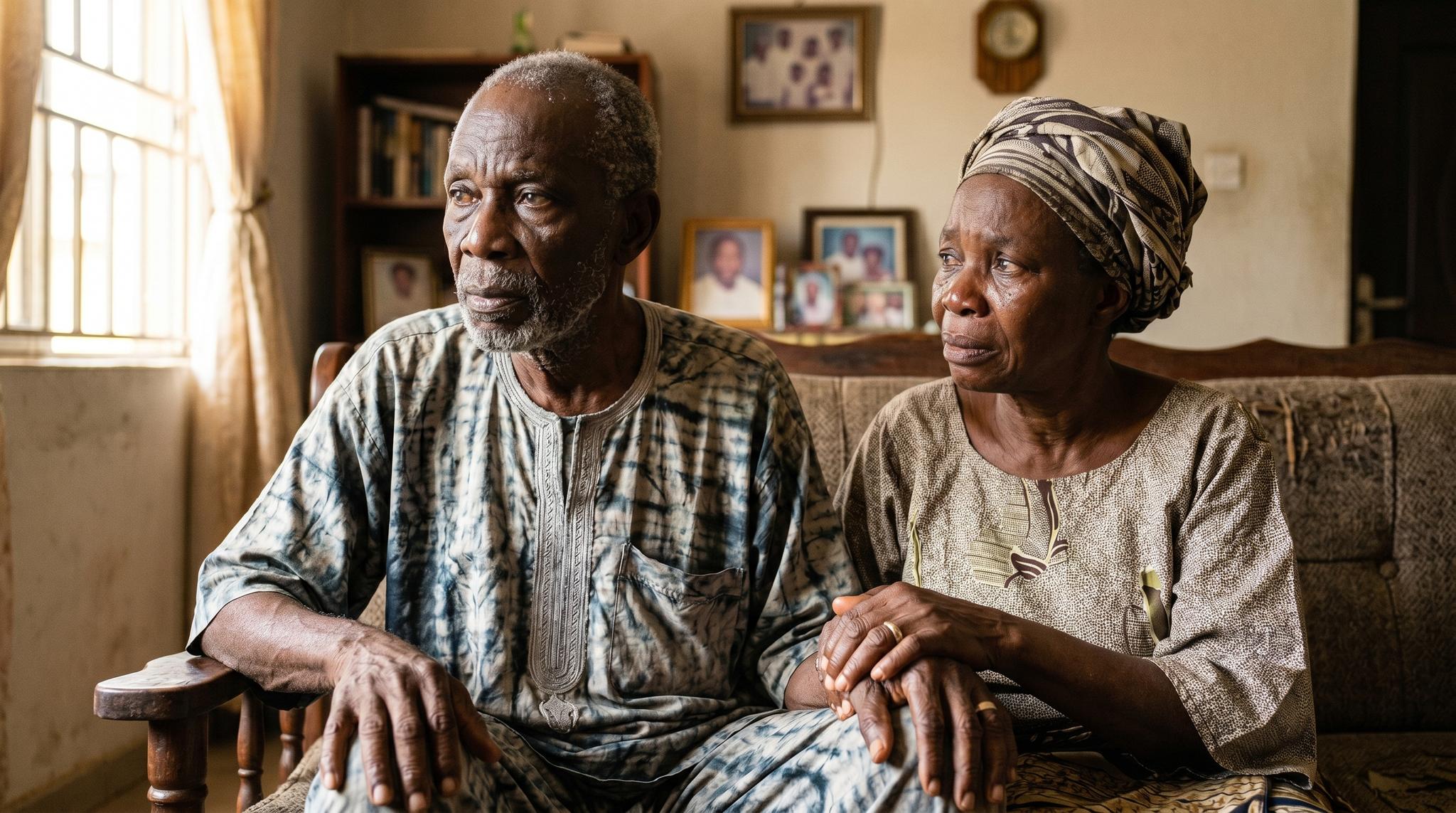
alzheimer’s disease: what causes dementia and how to manage it
Alzheimer’s disease and dementia affect memory, thinking, behaviour, and the ability to carry out everyday activities.
health
Zuri Health
•
06/04/2026
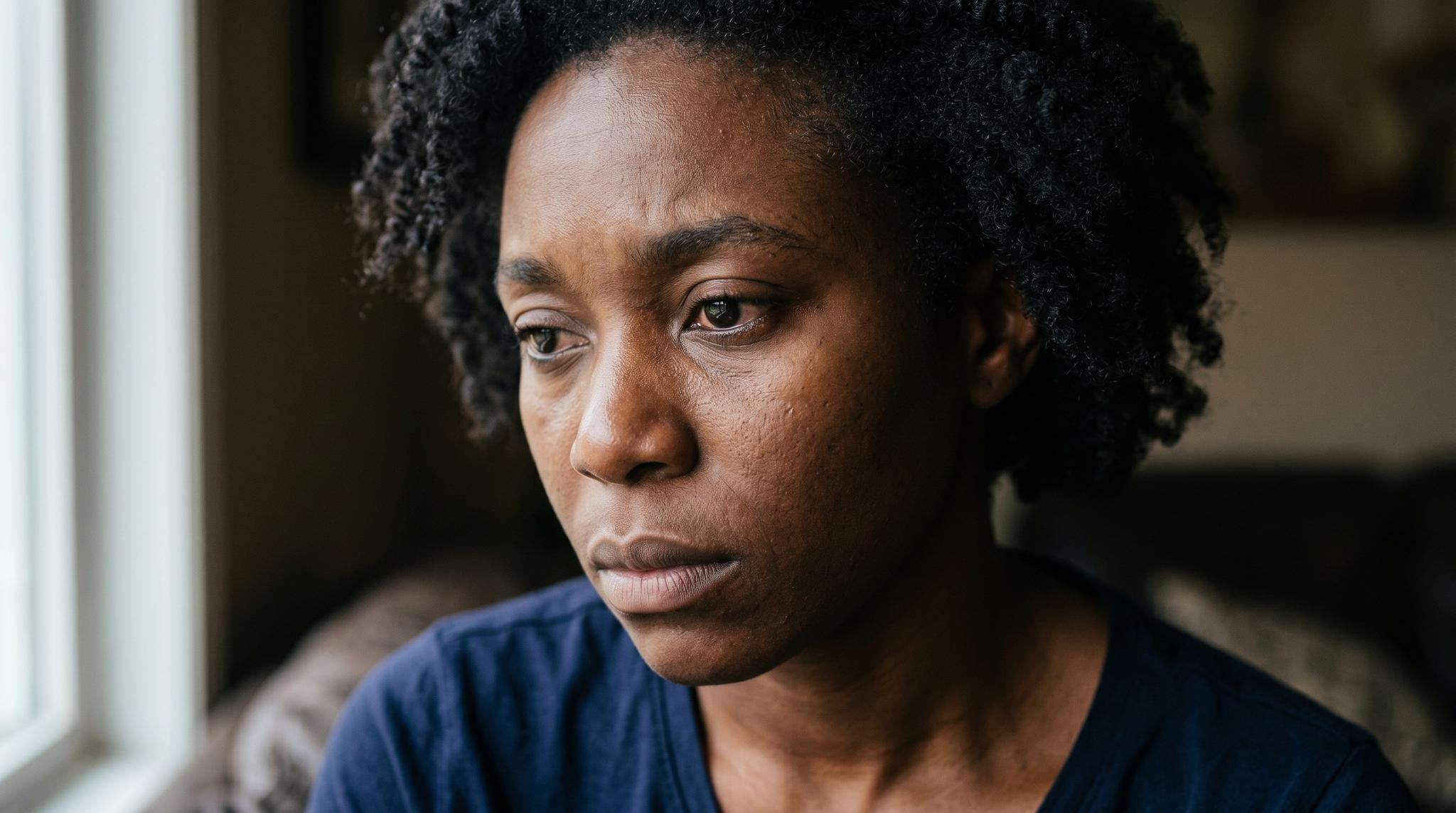
depression: understanding this common chronic mental health condition
Depression can affect people of all ages and is one of the most common mental health conditions worldwide. It is not a sign of weakness or lack of effort. It is a medical condition that often requires professional support and treatment.
health
Join Our Community 
Join our community to stay up to date on healthy living



Download Zuri App On:

